


Tiruppur
08048034603
+919942337053
about-cover-bg image
About Stork Enterprises

The Best Manufacturer in tiruppur

Products
Featured Products

What We Do

6814772a5d263414004dd4a4 Card 2

product image
Photo Frames

A photo frame is a decorative border that holds and protects an image, consisting of a decorative outer border, a protective front (like glass or acrylic), and a backing board. Key details include standard sizes like 4x6, 5x7, and 8x10 inches, which correspond to specific dimensions in centimeters. The frame's interior features include the “rabbet,” which is the groove that holds all the components together, and may also include a mat, a decorative border that surrounds the photo itself. Parts of a photo frame Frame moulding: The outer decorative border of the frame, which can be made from wood, metal, or plastic. Glazing: A protective sheet of glass or acrylic placed in front of the photo. Mat: An optional decorative border placed between the photo and the frame, which can help draw attention to the image and is cut with a specific opening size. Backing board: A rigid board at the back of the frame that holds all the components in place. Rabbet: A groove on the inside of the frame that holds the glazing, mat, and backing board. Common frame details and sizes Standard sizes: Common sizes include 4x6, 5x7, 8x10, and 16x20 inches. Mat opening: The size of the hole in the mat, which is slightly smaller than the photo to prevent it from falling through. For example, a frame for an 8x10 photo will have a mat opening around 7.5x9 inches. Frame size: Refers to the size of the opening or the outside dimensions of the mat. An 8x10 photo in an 11x14 frame would be referred to as both an 8x10 (for the photo size) and an 11x14 (for the frame/mat size). Outside frame size: The total dimensions of the frame, which are useful for space planning but are not commonly used for identifying the frame's purpose. Rabbet depth: The space available inside the frame for the glass, mat, and backing board. Types of frames Standard frames: The most common type of frame, suitable for a wide range of uses. Gallery frames: Typically used in a set to create a gallery wall arrangement. Collage frames: Designed to hold multiple photos in one frame. Floating frames: Designed to make a photo appear as if it is “floating” between two panes of glass. Deep-set frames: Used for framing three-dimensional objects or artworks.

6814772a5d263414004dd4a4 Card 2

product image
Posters and Frames

A poster is a large printed sheet of paper with images and text, designed to be eye-catching and read from a distance. A frame is a protective and decorative edging used to display and preserve the poster. Poster Details Explained Posters are versatile and used for advertising, promotion, information, or decoration. Purpose: To grab the attention of a moving audience and convey a concise message effectively. Design Elements: Key components include a clear headline, engaging imagery, concise body copy, and effective use of color and typography. The design should have a logical flow and sufficient white space to avoid clutter. Key Design Tips: Use large, bold, sans-serif fonts (like Arial or Calibri) for readability from several feet away. Limit the number of fonts (no more than three) and colors (two to three main colors) to maintain a professional look. Use high-resolution images, especially for large posters, to ensure clarity. A matte finish is good for smaller posters to avoid glare, while a glossy finish can enhance vibrancy on larger posters. Standard Sizes: Common standard sizes include 11“ x 17”, 18“ x 24”, and 24“ x 36”. The standard movie poster (one-sheet) size is 27“ x 40”. Frame Details Explained Frames serve to protect the poster from dust and damage, provide structural support, and enhance its visual appeal by integrating it with its surroundings. Types: Picture Frames: Often made of wood or metal with a glass cover, these are traditionally smaller and involve rear-opening for inserting the artwork. They are commonly used for personal photos and fine art. Poster Frames: Typically made of durable, lightweight aluminum or plastic, often with a clear plastic (PET) cover sheet to protect from dust and scratches and reduce glare. They often feature a front-opening snap mechanism, making it easy to change posters frequently without removing the frame from the wall. Materials: Common frame materials are wood, metal, and plastic (polystyrene or aluminum). Sizing: The frame size should match the poster's outer dimensions. Note that frames and any accompanying mats (an internal border) will typically cover a small portion (1/8“ to 1/4”) of the poster's edges for a secure fit. Mounting: Frames can be wall-mounted, floor-standing, or ceiling-mounted, with options for indoor or weatherproof outdoor use. Choosing the Right Combination The choice of poster and frame depends heavily on the intended use and location: For a personal art piece at home, a traditional, high-quality picture frame with a mat might be suitable. For a business or public space requiring frequent updates (like a menu or advertisement), a durable, front-opening poster snap frame is a practical and cost-effective solution.

6814772a5d263414004dd4a4 Card 2

product image
Business Cards

A business card should include essential information like the company/business name, your name and title, and contact details (phone, email, and website). Additional details can include the company logo, social media handles, a tagline, and a QR code, which can be placed on the front or back for branding and easy access to online resources. Essential details Your Name: The most important piece of information, as the card's primary purpose is to help someone contact you. Company Name: Unless you are your own personal brand, the company name is crucial. Job Title: Reminds the recipient of your specific role and specialization. Contact Information: At least one primary method of contact is necessary. Common details include: Phone number (mobile and/or desk) Email address Website URL Optional details Company Logo: Helps with brand recognition. Social Media Handles: Extends your online presence. Tagline: A short phrase that captures your brand's essence. QR Code: A quick shortcut to your website or other online information. Physical Address: Necessary if you want to drive foot traffic to a location. Pronouns: Can be included for clarity. Design and layout tips Use both sides: The back can be used for a logo, website, or social media links, while the front can focus on the most critical information. Prioritize hierarchy: Make your name the most prominent text element. Secondary details can be smaller. Keep it professional: Use clear fonts and a layout that aligns with your brand to boost credibility. Allow for print-safety: Include a bleed and keep key information within safety margins to prevent it from being cut off during printing.

Have any custom requirements?

Image Gallery

Pictures That Speak

Latest Updates

Read Our Latest Updates & News

update image

Embroidery Patches

2025-11-21T02:45:38 , update date

 2025-11-21T02:45:38
update image

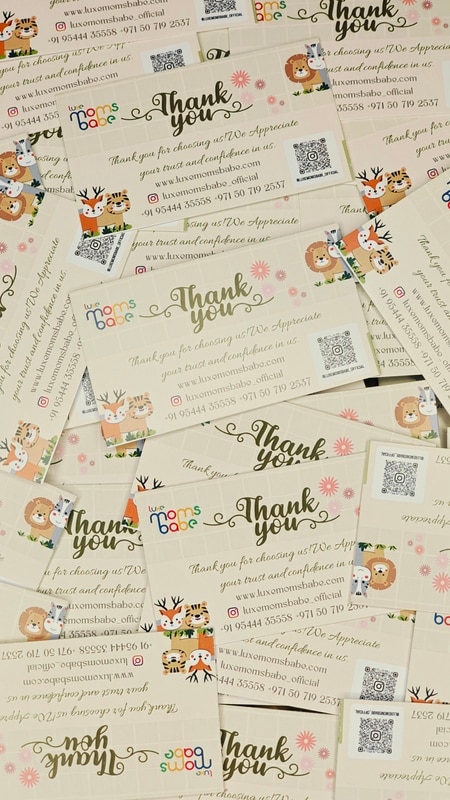
Printed Label

2025-11-21T02:41:40 , update date

 2025-11-21T02:41:40
update image

Woven Label

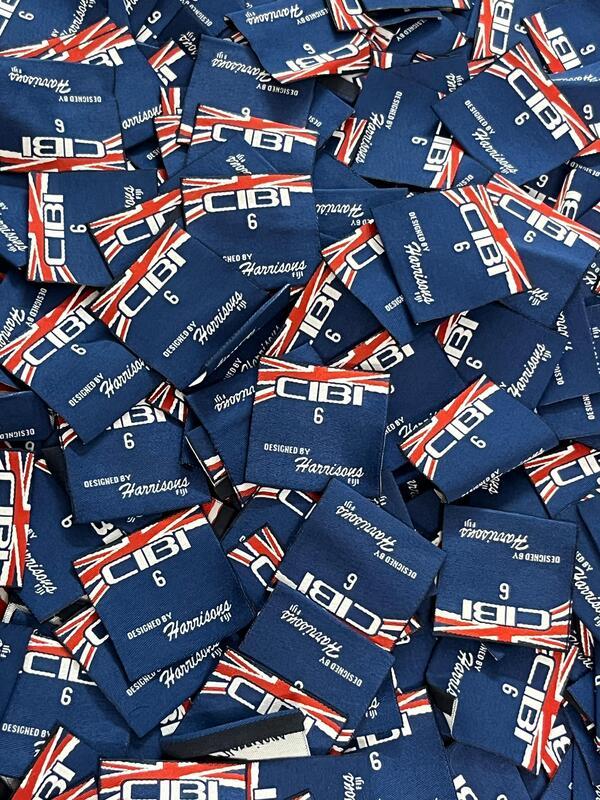
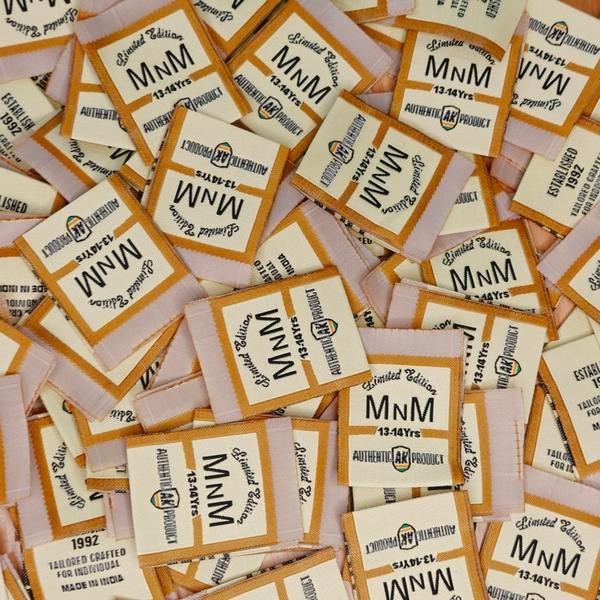
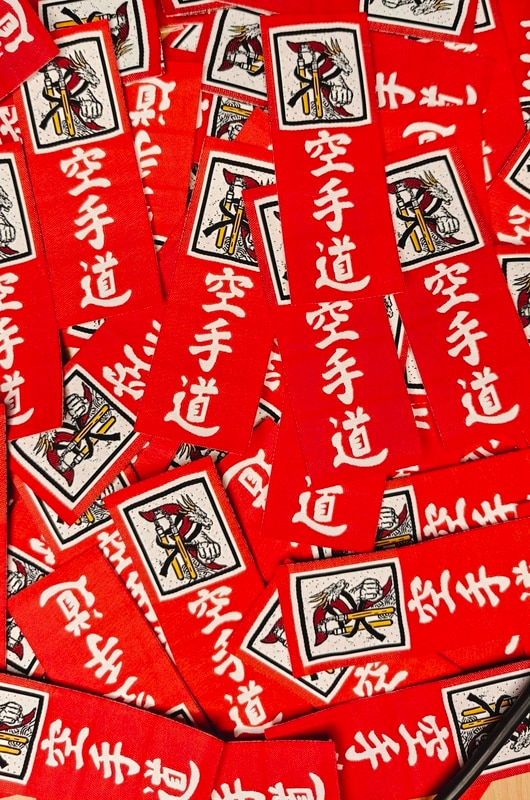
2025-11-21T02:37:24 , update date

 2025-11-21T02:37:24