Thank you for writing to us. One of our executive will reach back to you through your submitted medium. In case there’s an urgency, feel free to connect over WhatsApp for faster response.
Prefer calling? Dial +9108048034603 (International callers) or 08048034603 (Indian callers).
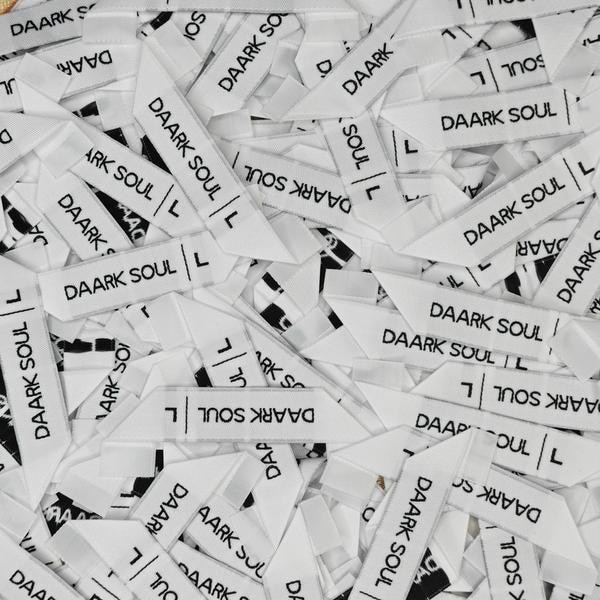
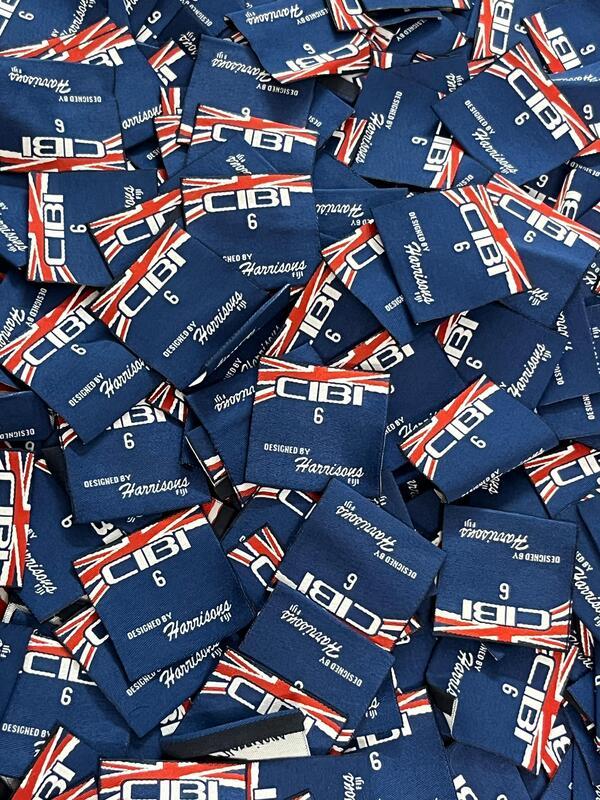
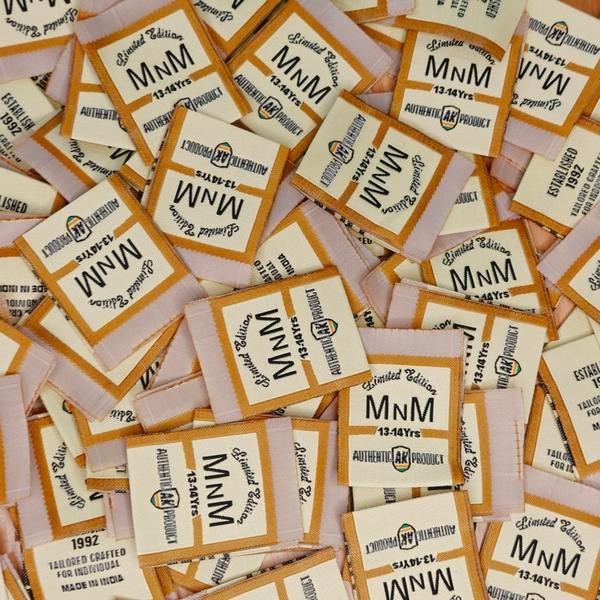
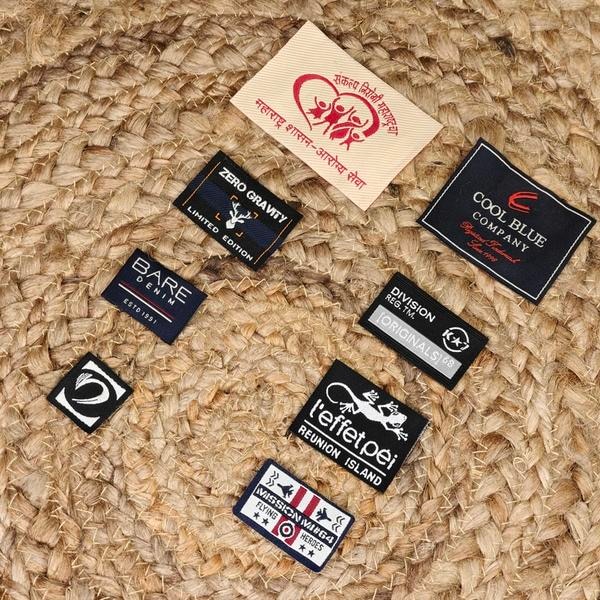
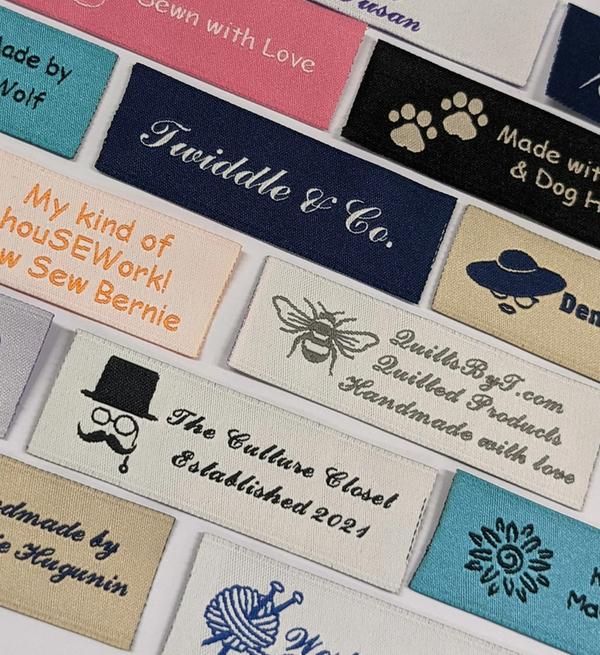
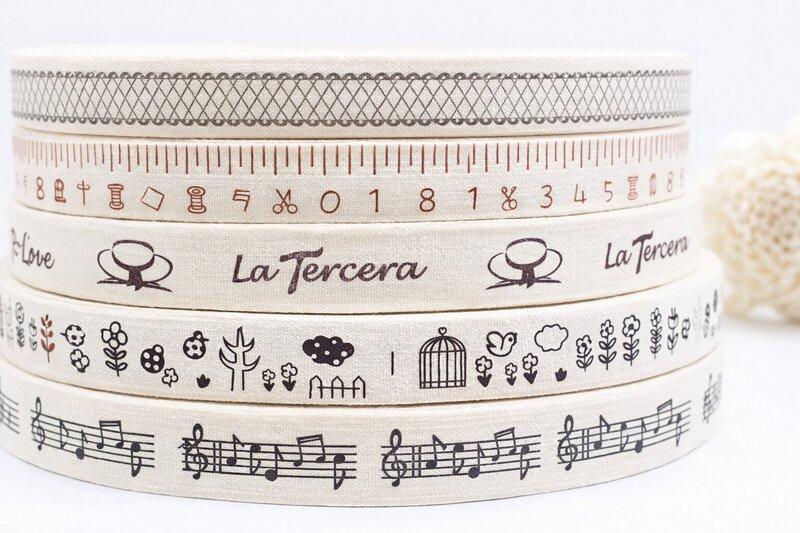
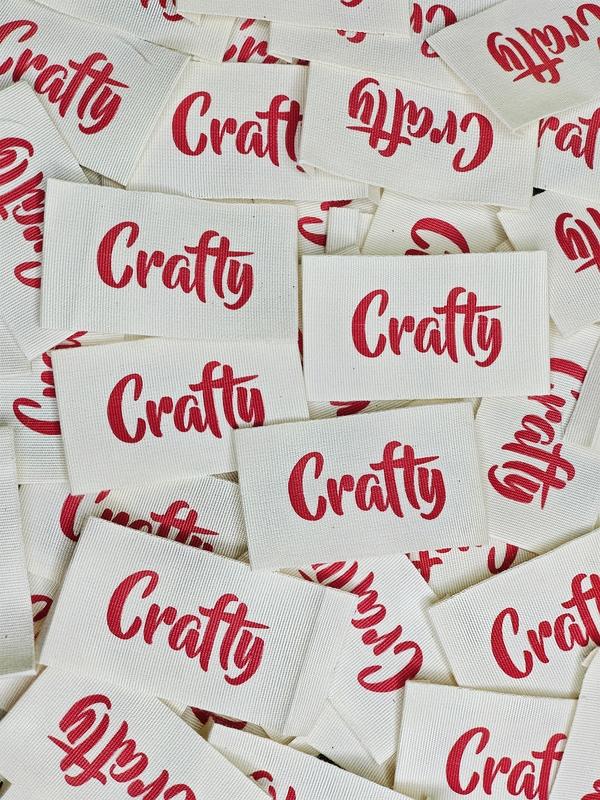
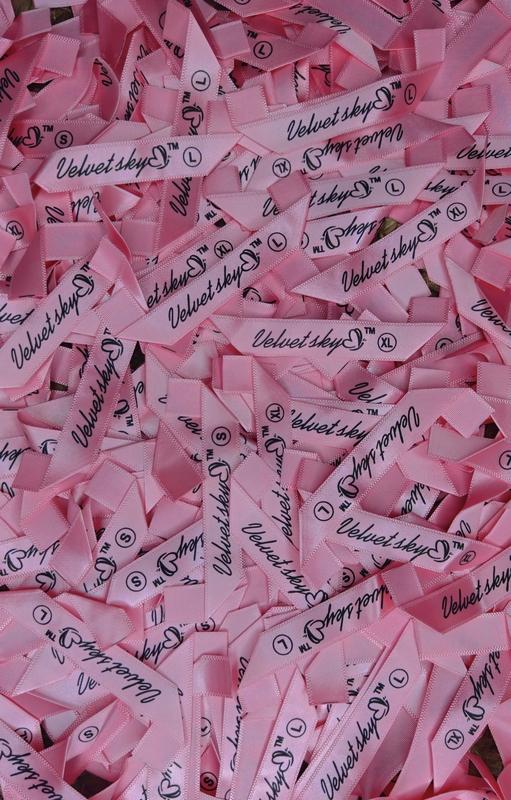
A center fold woven label is folded in half, creating two sides for branding, and is typically sewn into a seam with the fold at the top. These labels are a versatile option for garments, often featuring a brand name or logo on the front and care instructions or size information on the back. They are designed with finished edges to prevent fraying and are secured in a seam with a sewing allowance, ensuring a clean and durable finish
A photo frame is a decorative border that holds and protects an image, consisting of a decorative outer border, a protective front (like glass or acrylic), and a backing board. Key details include standard sizes like 4x6, 5x7, and 8x10 inches, which correspond to specific dimensions in centimeters. The frame's interior features include the “rabbet,” which is the groove that holds all the components together, and may also include a mat, a decorative border that surrounds the photo itself.
Parts of a photo frame
Frame moulding: The outer decorative border of the frame, which can be made from wood, metal, or plastic.
Glazing: A protective sheet of glass or acrylic placed in front of the photo.
Mat: An optional decorative border placed between the photo and the frame, which can help draw attention to the image and is cut with a specific opening size.
Backing board: A rigid board at the back of the frame that holds all the components in place.
Rabbet: A groove on the inside of the frame that holds the glazing, mat, and backing board.
Common frame details and sizes
Standard sizes: Common sizes include 4x6, 5x7, 8x10, and 16x20 inches.
Mat opening: The size of the hole in the mat, which is slightly smaller than the photo to prevent it from falling through. For example, a frame for an 8x10 photo will have a mat opening around 7.5x9 inches.
Frame size: Refers to the size of the opening or the outside dimensions of the mat. An 8x10 photo in an 11x14 frame would be referred to as both an 8x10 (for the photo size) and an 11x14 (for the frame/mat size).
Outside frame size: The total dimensions of the frame, which are useful for space planning but are not commonly used for identifying the frame's purpose.
Rabbet depth: The space available inside the frame for the glass, mat, and backing board.
Types of frames
Standard frames: The most common type of frame, suitable for a wide range of uses.
Gallery frames: Typically used in a set to create a gallery wall arrangement.
Collage frames: Designed to hold multiple photos in one frame.
Floating frames: Designed to make a photo appear as if it is “floating” between two panes of glass.
Deep-set frames: Used for framing three-dimensional objects or artworks.
A poster is a large printed sheet of paper with images and text, designed to be eye-catching and read from a distance. A frame is a protective and decorative edging used to display and preserve the poster.
Poster Details Explained
Posters are versatile and used for advertising, promotion, information, or decoration.
Purpose: To grab the attention of a moving audience and convey a concise message effectively.
Design Elements: Key components include a clear headline, engaging imagery, concise body copy, and effective use of color and typography. The design should have a logical flow and sufficient white space to avoid clutter.
Key Design Tips:
Use large, bold, sans-serif fonts (like Arial or Calibri) for readability from several feet away.
Limit the number of fonts (no more than three) and colors (two to three main colors) to maintain a professional look.
Use high-resolution images, especially for large posters, to ensure clarity.
A matte finish is good for smaller posters to avoid glare, while a glossy finish can enhance vibrancy on larger posters.
Standard Sizes: Common standard sizes include 11“ x 17”, 18“ x 24”, and 24“ x 36”. The standard movie poster (one-sheet) size is 27“ x 40”.
Frame Details Explained
Frames serve to protect the poster from dust and damage, provide structural support, and enhance its visual appeal by integrating it with its surroundings.
Types:
Picture Frames: Often made of wood or metal with a glass cover, these are traditionally smaller and involve rear-opening for inserting the artwork. They are commonly used for personal photos and fine art.
Poster Frames: Typically made of durable, lightweight aluminum or plastic, often with a clear plastic (PET) cover sheet to protect from dust and scratches and reduce glare. They often feature a front-opening snap mechanism, making it easy to change posters frequently without removing the frame from the wall.
Materials: Common frame materials are wood, metal, and plastic (polystyrene or aluminum).
Sizing: The frame size should match the poster's outer dimensions. Note that frames and any accompanying mats (an internal border) will typically cover a small portion (1/8“ to 1/4”) of the poster's edges for a secure fit.
Mounting: Frames can be wall-mounted, floor-standing, or ceiling-mounted, with options for indoor or weatherproof outdoor use.
Choosing the Right Combination
The choice of poster and frame depends heavily on the intended use and location:
For a personal art piece at home, a traditional, high-quality picture frame with a mat might be suitable.
For a business or public space requiring frequent updates (like a menu or advertisement), a durable, front-opening poster snap frame is a practical and cost-effective solution.
A business card should include essential information like the company/business name, your name and title, and contact details (phone, email, and website). Additional details can include the company logo, social media handles, a tagline, and a QR code, which can be placed on the front or back for branding and easy access to online resources.
Essential details
Your Name: The most important piece of information, as the card's primary purpose is to help someone contact you.
Company Name: Unless you are your own personal brand, the company name is crucial.
Job Title: Reminds the recipient of your specific role and specialization.
Contact Information: At least one primary method of contact is necessary. Common details include:
Phone number (mobile and/or desk)
Email address
Website URL
Optional details
Company Logo: Helps with brand recognition.
Social Media Handles: Extends your online presence.
Tagline: A short phrase that captures your brand's essence.
QR Code: A quick shortcut to your website or other online information.
Physical Address: Necessary if you want to drive foot traffic to a location.
Pronouns: Can be included for clarity.
Design and layout tips
Use both sides: The back can be used for a logo, website, or social media links, while the front can focus on the most critical information.
Prioritize hierarchy: Make your name the most prominent text element. Secondary details can be smaller.
Keep it professional: Use clear fonts and a layout that aligns with your brand to boost credibility.
Allow for print-safety: Include a bleed and keep key information within safety margins to prevent it from being cut off during printing.
A poster's details include a central title, supporting body text or graphics, eye-catching imagery, and a clear call to action. Effective posters have an organized layout with ample white space, use consistent typography, and include brand elements and contact information. Key components like the headline, visuals, and text work together to create a concise and readable message that grabs attention.
Key components of a poster
Title: A catchy and conceptual title that is short and highlights the core content.
Headline: The main heading to grab the viewer's attention.
Body Text: Concise and simple language to provide key information without overwhelming the viewer.
Imagery and Graphics: Visual elements like pictures, charts, and graphs that convey information clearly.
Layout and Design: An organized and balanced arrangement of all elements, including headings and text, often using vertical columns or contrasting fields.
White Space: Ample space around elements to prevent a cluttered look and improve readability.
Typography: Limit fonts to two or three types and use a legible font size for all text, with large sizes for titles and headings.
Color Combination: A palette that is visually appealing and easy to read without low-contrast colors.
Brand Elements: Logos or other elements that are relevant to the organization or product being promoted.
Contact Information/Call to Action: Details on how to get in touch or what the viewer should do next, such as visiting a website or attending an event.
Tips for an effective poster
Be concise: Avoid overloading the poster with too much information or text.
Be visual: Use graphics and images to help tell the story and make the poster more eye-catching.
Organize logically: Break down content into clear sections with headings to guide the reader.
Use high-quality visuals: Ensure any images are high-resolution and that text is easy to read from a distance.
Proofread carefully: Check for any spelling or grammatical errors before printing.
Non-woven bags are made from a bonded fabric of synthetic fibers, such as polypropylene, created through mechanical, thermal, or chemical processes instead of weaving or knitting. They are known for being lightweight, durable, and often recyclable, making them a popular alternative to plastic bags for shopping, promotions, and packaging. These bags can be customized in various sizes, shapes, and designs, with a wide range of thicknesses (GSM) available to suit different needs.
Manufacturing and materials
Fiber formation: Polymer chips or fibers are processed and formed into a web-like structure.
Bonding: The web of fibers is bonded together using methods like heat, ultrasonic vibrations, or chemical adhesives to create a continuous sheet of non-woven fabric.
Raw material: The most common material is polypropylene (PP) non-woven fabric, with thicknesses typically ranging from 20 to 120 gsm (grams per square meter).
Finishing: The fabric is then cut and sealed, often by heat or ultrasonic welding, and can be printed with logos and designs.
Key characteristics and advantages
Durability: They are strong, tear-resistant, and can carry a significant amount of weight, especially when using higher gsm fabric.
Eco-friendly: Many are made from recyclable materials and can be reused multiple times, which helps reduce plastic waste. They are also often made without emitting toxic gases when disposed of, unlike some plastics.
Water-resistant: They offer good water resistance, and this can be further improved by adding a lamination layer.
Customizable: They are highly customizable in terms of color, size, shape, and design, making them excellent for promotional purposes.
Lightweight: Despite their strength, they are lightweight and easy to carry.
Common types
D-cut bags: Feature soft handles and are suitable for general shopping.
W-cut (grocery) bags: Often have a flat bottom and are designed to resemble traditional grocery bags.
Loop handle bags: Come with attached loop handles and often a gusseted bottom to provide more storage space.
Box bags: Have a more structured, box-like shape for increased capacity and stability.
Limitations
Not fully biodegradable: Unlike natural fibers, they do not decompose easily on their own.
Lower tensile strength: They are not as strong as woven bags and may not be suitable for applications requiring extreme durability, such as in the construction sector.
Printed poly bags are customizable plastic bags with custom text, logos, or graphics printed on them for branding, product information, or safety warnings. Key details include the printing method (often flexographic), bag type (like flat or gusseted), material and thickness (gauge), and closure type (like a resealable zip-lock). These details determine a bag's functionality, cost, and suitability for different products.
Key details and features
Printing: The most common method is high-speed flexographic printing, which uses flexible plates to transfer ink directly onto the film to create vivid graphics and text.
Artwork: The design is created in software (like CAD or Illustrator) and then transferred to a photopolymer plate for printing.
Bag Types:
Flat: The basic, standard bag with no extra features, ideal for flat or low-profile items.
Gusseted: Has expandable sides or a bottom to accommodate bulkier or irregularly shaped items.
Zipper Lock: Features a resealable closure for products that need repeated access and security.
Dimensions: Specifications include length, width, and thickness.
Thickness (Gauge): Measured in “mils” (1/1000th of an inch), it indicates how heavy-duty the bag is. A heavier gauge is needed for products with sharp edges or that require more protection.
Material: Primarily made from polyethylene (PE), which can vary in density (LDPE, MDPE, HDPE), or polypropylene (PP) for properties like transparency and high tensile strength.
Color: Can be customized to convey brand identity.
Closure: Besides zip-lock, other closure methods are available depending on the bag-making machine and customer needs.
Resin: The base material comes from resin pellets, which are modified during production to create different bag types with varying strengths and characteristics.
Quality Control: Checks are performed throughout the process to ensure size, strength, and printing specifications are met.
How they are used
Protection: Safeguard products from moisture, dust, and other environmental damage.
Branding: Provide a platform for company logos and brand messaging.
Information: Display product details, barcodes, or regulatory information.
Packaging: Used for a wide range of items, from small hardware to bulkier goods and food products (which must comply with specific regulations)
A PVC pouch is a type of flexible packaging or container made from polyvinyl chloride (PVC) plastic, known for its durability, transparency, and water resistance. It is widely used in various applications due to its versatility and low cost.
Key Details Explained
Material Composition: PVC is a synthetic thermoplastic polymer derived from approximately 57% chlorine (from salt) and 43% hydrocarbons (from oil or natural gas). Plasticizers and stabilizers are added during manufacturing to make the normally rigid PVC material soft and flexible for use in pouches.
Properties:
Waterproof/Water-resistant: The material naturally repels water, making the pouches ideal for protecting contents from moisture or spills.
Durable: PVC is tough and resistant to wear, tear, scuffs, and impacts, allowing the pouches to be reused multiple times.
Transparent: Most PVC pouches are clear, which allows for easy visibility of the contents, a practical feature for organization, travel (e.g., airport security), and retail display.
Easy to Clean: They can be easily wiped down with a damp cloth and mild soap.
Customizable: PVC can be produced in various thicknesses, colors, finishes (glossy or matte), and shapes, with options for printing logos or designs.
Closure Types: Pouches come with a variety of closure mechanisms, including zippers, slider zips, snap buttons, or heat-sealed seams. Heat-sealing creates a strong, watertight bond.
Common Uses:
Packaging: Widely used for retail packaging of garments, cosmetics, and accessories.
Organization and Travel: Popular as cosmetic bags, toiletry kits, and travel organizers due to their transparency and waterproof nature.
Event/Security: Required at many stadiums and events for quick and easy security checks.
Medical: Certain grades are used for medical applications like blood bags and IV tubing.
Environmental Considerations
While durable and reusable, PVC is not biodegradable and can persist in landfills for a long time. The production process and certain chemical additives (like some phthalates) have raised health and environmental concerns, though the industry is working on eco-friendlier alternatives and better recycling practices.
Paper bags are durable containers made from paper pulp, typically kraft paper, that are manufactured by cutting, folding, and gluing paper sheets. They are used for packaging a wide range of products, from groceries to clothing, and are popular for their recyclability, reusability, and biodegradability. Key details include their construction from renewable resources, their varied styles (like S.O.S. bags or euro totes), and their role as a sustainable alternative to plastic.
Manufacturing and materials
Raw materials: Paper bags are made from paper pulp, which is produced from wood chips (virgin fibers) or recycled materials. Kraft paper, a particularly strong and durable type of paper, is commonly used.
Manufacturing process:
Wood chips are treated with chemicals and high heat to create pulp.
The pulp is then pressed into large sheets of paper.
The paper sheets are cut to size, folded, and the parallel sides are glued together.
Handles and other accessories can be added, and the bags can be printed with logos and designs.
Types and styles
S.O.S. bags: Self-Opening Sacks, often seen for groceries.
Pinch-bottom bags: Used for items like baked goods.
Euro totes: High-end bags often seen in retail, sometimes with a protective coating.
Other styles: Bakery bags, merchandise bags, party bags, and mailing bags.
Construction: Bags can be single-wall or multiwall for heavier applications, with features like reinforced gussets for strength.
Environmental impact and sustainability
Eco-friendly: Paper bags are a more sustainable option than plastic bags because they are biodegradable and can be recycled or composted.
Lower climate impact: Paper bags generally have a lower impact on global warming than low-density polyethylene (LDPE) bags.
Reusability: Their durability allows them to be reused, which further reduces waste.
Considerations: The overall sustainability depends on the entire bag's composition. Plastic coatings, certain inks, and glues can hinder decomposition, so it's important to choose bags made with water-based adhesives and eco-friendly inks.
Applications and uses
Retail and shopping: Commonly used as shopping bags for groceries, clothing, and other goods.
Packaging: Used for packaging consumer goods like toiletries, electronics, and food products.
Branding: Businesses use them for promotional purposes, with company logos printed to enhance their brand image.
Gift packaging: High-quality paper bags are often used as gift bags.
Die-cut tags are custom-shaped tags cut precisely to follow the outline of a design using a specialized cutting process. This technique goes beyond standard shapes (like squares or rectangles) to create unique and eye-catching results for branding, packaging, and identification purposes.
Key Details Explained
Definition of “Die Cut”: The term refers to a manufacturing process that uses a sharp metal tool, called a “die,” to cut a specific shape from a material (e.g., paper, cardstock, vinyl, or plastic), much like a cookie cutter.
The Process: The material is fed into a die-cutting machine where the custom-made die presses down or rolls against the material to create a clean, consistent cut. After cutting, the excess material, known as the “matrix” or “web waste,” is removed, leaving only the finished, custom-shaped tags.
Types of Cutting Methods:
Flatbed Die Cutting: Uses a flat die and a hydraulic press. It's ideal for low-volume projects and thicker materials.
Rotary Die Cutting: Uses a cylindrical die that rotates continuously, allowing for high speed and precision, best for large-volume orders.
Digital/Laser Cutting: This modern method uses computer-controlled blades or lasers to cut the design without a physical die, making it cost-effective for prototypes or small, intricate orders.
Design Considerations: To ensure a quality result, designers typically need to:
Avoid acute angles or overly sharp corners, which can tear.
Leave enough space between the tag edge and any internal holes.
Include a “bleed area” by extending the artwork slightly past the cut line to prevent accidental white edges.
Mark the exact cutting line, known as the “die line,” as a specific spot color on a separate layer in the design file.
Common Uses of Die-Cut Tags
Die-cut tags are highly versatile and used across many industries to enhance product appeal and branding.
Retail & Apparel: Used as price tags, size tags, or hang tags with care instructions.
Packaging: Adds a premium and professional touch to product packaging for items like candles, bottles, or specialty goods.
Branding & Marketing: Custom shapes reinforce brand identity, making products more memorable and visually appealing on a store shelf.
Events & Gifts: Used for personalized gift tags, wedding favors, or promotional giveaways.
By utilizing custom shapes, brands can effectively differentiate their products and create a memorable customer experience.
Foil tags are labels or designs featuring a metallic, holographic, or opaque colored finish, primarily used for their aesthetic appeal and functional properties, such as security and durability. The term “foil tag” can refer to decorative labels created using a printing process, or highly durable industrial asset tags made of metal foil.
Decorative Foil Tags (Foil Stamping/Printing)
This common type of foil tag is created using a printing technique called foil stamping (hot or cold).
Aesthetics and Purpose: They provide an eye-catching, premium, and luxurious look to products, packaging, greetings cards, and invitations. The shiny, reflective surface helps products stand out on the shelf, influencing consumer perception of higher quality.
Process:
Hot Stamping: Uses a heated die (custom engraved metal plate) to apply a roll of metallic or colored foil onto the substrate with pressure. It's excellent for fine details, intricate designs, and can be combined with embossing for a 3D effect.
Cold Foiling: A more modern, faster process that uses a UV-curable adhesive applied with a standard printing plate (no heat needed). The foil sticks to the adhesive, and UV light cures it. This method is better for heat-sensitive materials and large foiled areas, allowing for overprinting with various colors and gradients.
Materials & Finishes: Foils come in various colors (gold, silver, copper, etc.), as well as matte, glossy, pearlescent, and holographic finishes. They can be applied to many surfaces, including paper, plastics, and leather.
Security Feature: The complex, difficult-to-replicate holographic patterns serve as an effective anti-counterfeiting measure for luxury goods, pharmaceuticals, and even banknotes.
Industrial Foil Tags (Metal Foil Asset Tags)
These are used for tracking assets in harsh environments where standard labels would fail.
Durability: They are constructed from durable materials, often anodized aluminum foil, with the printed image or barcode sealed beneath a protective anodic layer. This makes them highly resistant to abrasion, chemicals, solvents, extreme temperatures, and UV exposure.
Function: They feature barcodes, QR codes, or human-readable information for asset tracking, inventory control, and maintenance management.
Applications: Commonly used for high-value physical assets, industrial equipment, military property, and items in marine or laboratory environments where resistance to harsh conditions is essential.
In summary, the specific details of “foil tags” depend on their intended application, ranging from purely aesthetic product enhancement to rugged, functional asset identification tools.
“UV tags” can refer to a few different technologies, but they generally use UV (ultraviolet) light for a specific purpose. The most common uses are for UV printing (creating durable, instant-drying prints) and for UV-resistant RFID tags designed to withstand sun damage. Another recent application is invisible UV ink tags for tracking and recycling.
UV printing tags
What they are: These are physical tags, like clothing hangtags, that are printed using UV curing technology.
How they work: UV printing uses special inks that harden instantly when exposed to ultraviolet light, creating a fast, durable, and vibrant print.
Advantages: They are scratch-resistant, long-lasting, and can be printed on a wide variety of materials like paper, plastic, and metal.
UV-resistant RFID tags
What they are: These are specialized RFID tags built to function reliably even when exposed to intense sunlight for long periods.
How they work: They are made with materials that are not degraded by ultraviolet radiation, preventing damage that could lead to performance loss or data corruption.
Advantages: They are ideal for long-term asset tracking in outdoor or sun-exposed areas, ensuring consistent performance.
Invisible UV ink tags
What they are: These are tags that use a layer of invisible UV ink applied to packaging during the standard production process.
How they work: A grid of data matrix codes is printed with the invisible ink. Specialized equipment in recycling centers can then read these codes to confirm that the packaging has been recycled.
Advantages: This system is a low-cost, easy-to-implement method for verifying recycling without altering the product's visible artwork.