
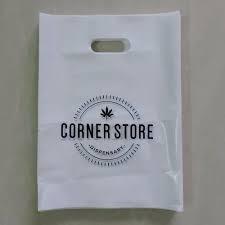
Printed poly bags are customizable plastic bags with custom text, logos, or graphics printed on them for branding, product information, or safety warnings. Key details include the printing method (often flexographic), bag type (like flat or gusseted), material and thickness (gauge), and closure type (like a resealable zip-lock). These details determine a bag's functionality, cost, and suitability for different products. Key details and features Printing: The most common method is high-speed flexographic printing, which uses flexible plates to transfer ink directly onto the film to create vivid graphics and text. Artwork: The design is created in software (like CAD or Illustrator) and then transferred to a photopolymer plate for printing. Bag Types: Flat: The basic, standard bag with no extra features, ideal for flat or low-profile items. Gusseted: Has expandable sides or a bottom to accommodate bulkier or irregularly shaped items. Zipper Lock: Features a resealable closure for products that need repeated access and security. Dimensions: Specifications include length, width, and thickness. Thickness (Gauge): Measured in “mils” (1/1000th of an inch), it indicates how heavy-duty the bag is. A heavier gauge is needed for products with sharp edges or that require more protection. Material: Primarily made from polyethylene (PE), which can vary in density (LDPE, MDPE, HDPE), or polypropylene (PP) for properties like transparency and high tensile strength. Color: Can be customized to convey brand identity. Closure: Besides zip-lock, other closure methods are available depending on the bag-making machine and customer needs. Resin: The base material comes from resin pellets, which are modified during production to create different bag types with varying strengths and characteristics. Quality Control: Checks are performed throughout the process to ensure size, strength, and printing specifications are met. How they are used Protection: Safeguard products from moisture, dust, and other environmental damage. Branding: Provide a platform for company logos and brand messaging. Information: Display product details, barcodes, or regulatory information. Packaging: Used for a wide range of items, from small hardware to bulkier goods and food products (which must comply with specific regulations)

Tiruppur
08048034603
+919942337053
 Chat with us
 Chat with us