
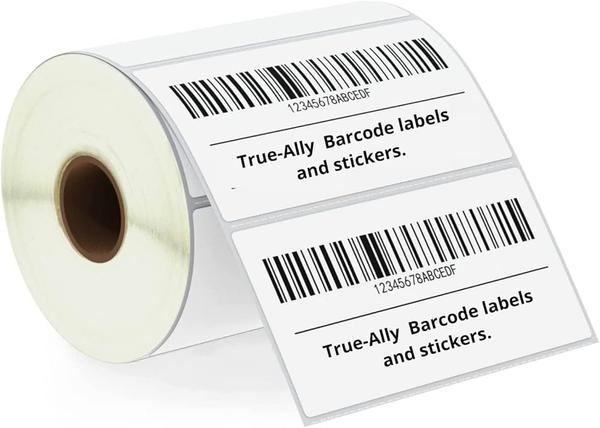
Printed labels are physical tags with information like text, graphics, barcodes, or QR codes, used for identification, branding, and conveying details about products, packages, or inventory. These labels can be adhesive or non-adhesive, made from materials like paper, plastic, or foil, and serve various functions, from compliance and shipping logistics to marketing and asset tracking. Their content depends on their purpose, with product labels containing ingredients or warnings and shipping labels containing destination and tracking information. Key details of printed labels Function: They identify, track, and communicate information about a product, package, or asset. Content: Can include text, graphics, barcodes, QR codes, serial numbers, nutritional facts, ingredients, and addresses. Materials: Available in various materials, such as paper, plastic, foil, and fabric, designed to adhere to different surfaces and withstand environmental conditions. Types: Product labels: Display brand identity, ingredients, warnings, and nutritional information. Shipping labels: Provide recipient address, tracking numbers, and other logistics information for carriers. Inventory/asset labels: Used for tracking and managing stock or equipment. Printing methods: Can be produced using digital printing, flexography, inkjet, or laser printing, depending on the desired quantity and quality. Purpose: They are essential for branding, compliance (e.g., food safety, pharmaceutical serialization), supply chain management, and customer information.

Tiruppur
08048034603
+919942337053
 Chat with us
 Chat with us