
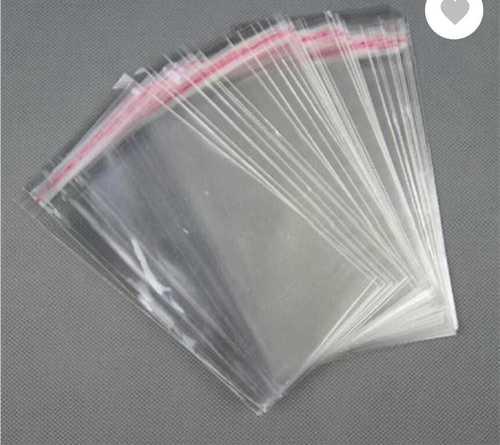
A PVC pouch is a type of flexible packaging or container made from polyvinyl chloride (PVC) plastic, known for its durability, transparency, and water resistance. It is widely used in various applications due to its versatility and low cost. Key Details Explained Material Composition: PVC is a synthetic thermoplastic polymer derived from approximately 57% chlorine (from salt) and 43% hydrocarbons (from oil or natural gas). Plasticizers and stabilizers are added during manufacturing to make the normally rigid PVC material soft and flexible for use in pouches. Properties: Waterproof/Water-resistant: The material naturally repels water, making the pouches ideal for protecting contents from moisture or spills. Durable: PVC is tough and resistant to wear, tear, scuffs, and impacts, allowing the pouches to be reused multiple times. Transparent: Most PVC pouches are clear, which allows for easy visibility of the contents, a practical feature for organization, travel (e.g., airport security), and retail display. Easy to Clean: They can be easily wiped down with a damp cloth and mild soap. Customizable: PVC can be produced in various thicknesses, colors, finishes (glossy or matte), and shapes, with options for printing logos or designs. Closure Types: Pouches come with a variety of closure mechanisms, including zippers, slider zips, snap buttons, or heat-sealed seams. Heat-sealing creates a strong, watertight bond. Common Uses: Packaging: Widely used for retail packaging of garments, cosmetics, and accessories. Organization and Travel: Popular as cosmetic bags, toiletry kits, and travel organizers due to their transparency and waterproof nature. Event/Security: Required at many stadiums and events for quick and easy security checks. Medical: Certain grades are used for medical applications like blood bags and IV tubing. Environmental Considerations While durable and reusable, PVC is not biodegradable and can persist in landfills for a long time. The production process and certain chemical additives (like some phthalates) have raised health and environmental concerns, though the industry is working on eco-friendlier alternatives and better recycling practices.

Tiruppur
08048034603
+919942337053
 Chat with us
 Chat with us