
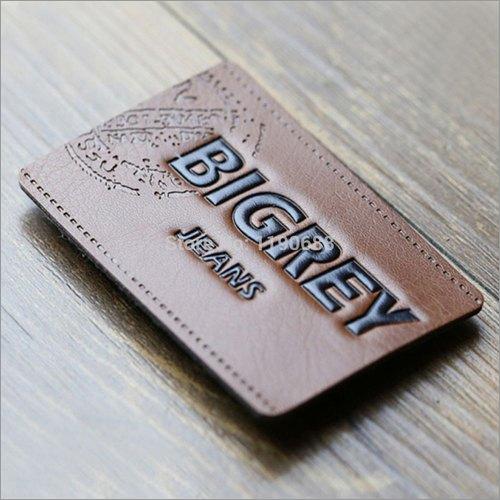
Leather patches are versatile pieces of genuine or synthetic leather used for branding, decoration, and repair, prized for their durable, premium, and rugged aesthetic. Materials Leather patches are made from various materials, each with its own characteristics: Genuine Leather: Made from natural animal hides (e.g., cowhide, sheepskin). It is highly durable, develops a unique patina (sheen) over time, and conveys a sense of luxury and tradition. It is generally more expensive. Faux/PU Leather: Made by coating fabric with polyurethane. It is an affordable, vegan-friendly alternative that mimics the look of real leather. It offers a consistent finish and a wide variety of colors and designs. Microfiber Leather: A high-tech synthetic option that closely mimics the fiber structure of real leather. It offers excellent durability and wear resistance and is an eco-friendly choice. Suede: Characterized by its soft, matte, and textured surface. It is used to add warmth and a unique velvety appearance, often in autumn/winter designs. Customization Techniques Designs are applied to leather patches using several methods: Embossing & Debossing: These techniques involve pressing a design into the leather to create a raised (embossed) or recessed (debossed) 3D effect. Debossing is a very common method for logos. Laser Etching/Engraving: A laser is used to engrave the leather surface, allowing for more detailed and intricate designs compared to embossing/debossing. Printing: Full-color printing can be used for highly detailed graphics and logos, especially on some faux leather options. Common Uses Due to their robust nature and premium appearance, leather patches are commonly used on: Apparel: Jeans (famously on the waistband), jackets, coats, and vests. Accessories: Hats, caps, backpacks, bags, wallets, and keychains. Home Goods: Throw pillows, blankets, and coasters. Repairs: Self-adhesive leather repair patches are available to fix damaged furniture, car seats, and other items. Application Methods Patches can be attached in several ways: Sew-On: The most secure method, ideal for longevity and heavy-duty use. Adhesive Backing/Iron-On: Simple for DIY applications, often temporary or suitable for specific materials like some faux leathers. Glue: A strong, flexible, all-purpose adhesive (like E6000) can be used for a secure bond on various surfaces like hats. Rivets & Snaps: Often used for bags and other accessories for a rugged, stylish look. Key Benefits Durability: Leather patches are highly resistant to wear and tear, maintaining their integrity over prolonged use. Aesthetic Appeal: They add a high-end, classic, and sophisticated look to products. Authenticity: For major brands, the patch can serve as an indicator of genuine, quality craftsmanship.

Tiruppur
08048034603
+919942337053
 Chat with us
 Chat with us