
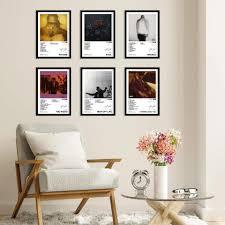
A poster is a large printed sheet of paper with images and text, designed to be eye-catching and read from a distance. A frame is a protective and decorative edging used to display and preserve the poster. Poster Details Explained Posters are versatile and used for advertising, promotion, information, or decoration. Purpose: To grab the attention of a moving audience and convey a concise message effectively. Design Elements: Key components include a clear headline, engaging imagery, concise body copy, and effective use of color and typography. The design should have a logical flow and sufficient white space to avoid clutter. Key Design Tips: Use large, bold, sans-serif fonts (like Arial or Calibri) for readability from several feet away. Limit the number of fonts (no more than three) and colors (two to three main colors) to maintain a professional look. Use high-resolution images, especially for large posters, to ensure clarity. A matte finish is good for smaller posters to avoid glare, while a glossy finish can enhance vibrancy on larger posters. Standard Sizes: Common standard sizes include 11“ x 17”, 18“ x 24”, and 24“ x 36”. The standard movie poster (one-sheet) size is 27“ x 40”. Frame Details Explained Frames serve to protect the poster from dust and damage, provide structural support, and enhance its visual appeal by integrating it with its surroundings. Types: Picture Frames: Often made of wood or metal with a glass cover, these are traditionally smaller and involve rear-opening for inserting the artwork. They are commonly used for personal photos and fine art. Poster Frames: Typically made of durable, lightweight aluminum or plastic, often with a clear plastic (PET) cover sheet to protect from dust and scratches and reduce glare. They often feature a front-opening snap mechanism, making it easy to change posters frequently without removing the frame from the wall. Materials: Common frame materials are wood, metal, and plastic (polystyrene or aluminum). Sizing: The frame size should match the poster's outer dimensions. Note that frames and any accompanying mats (an internal border) will typically cover a small portion (1/8“ to 1/4”) of the poster's edges for a secure fit. Mounting: Frames can be wall-mounted, floor-standing, or ceiling-mounted, with options for indoor or weatherproof outdoor use. Choosing the Right Combination The choice of poster and frame depends heavily on the intended use and location: For a personal art piece at home, a traditional, high-quality picture frame with a mat might be suitable. For a business or public space requiring frequent updates (like a menu or advertisement), a durable, front-opening poster snap frame is a practical and cost-effective solution.

Tiruppur
08048034603
+919942337053
 Chat with us
 Chat with us